

“During World War I, when meat and potatoes because scarce, Germans consumed large quantities of turnips. They even made bread from turnip flour. The winter of 1916-1917 became known as ‘turnip winter.’” ~ Agriculture Facts
Ag Facts about Corn

“Many everyday products Americans use contain corn, including soap, paper, paint, soda, and crayons.” ~ American Agriculture Facts
Ag Facts about Cotton
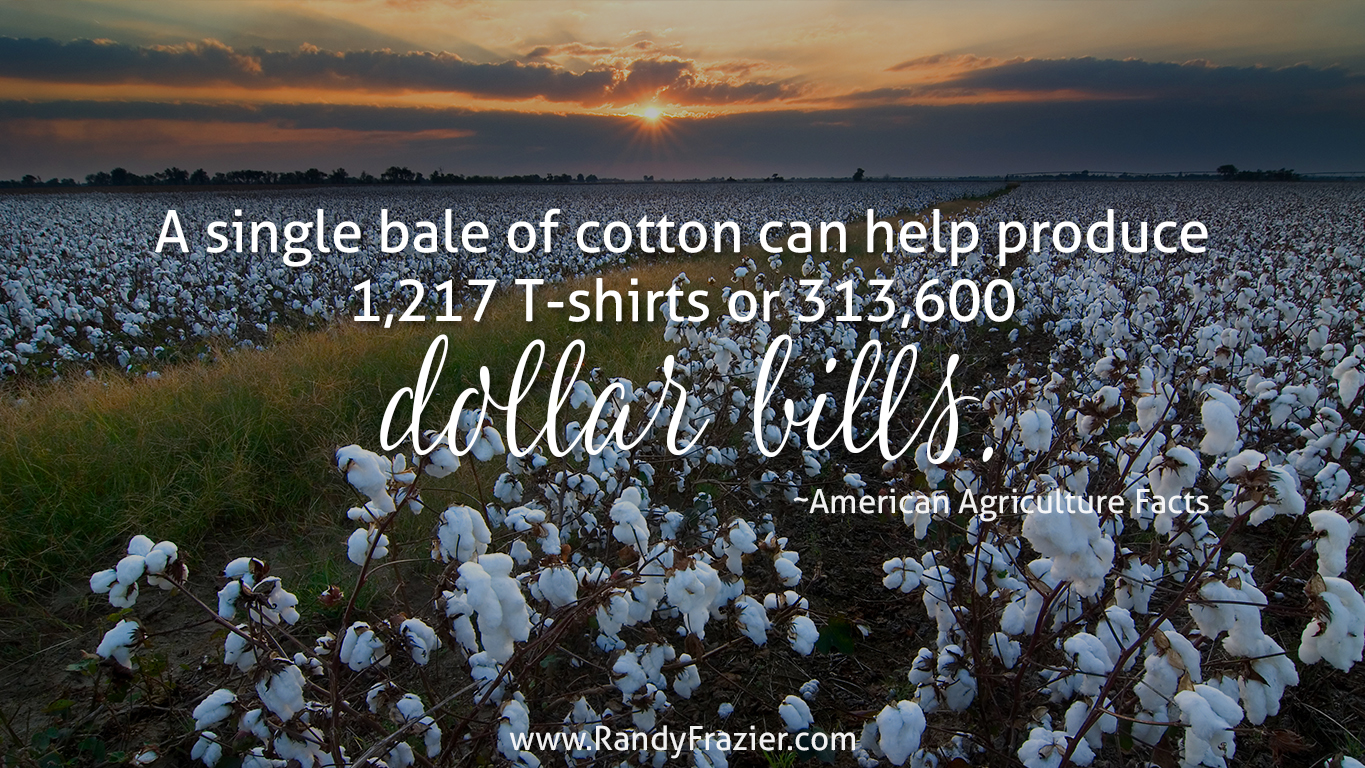
“A single bale of cotton can help produce 1,217 T-shirts or 313,600 dollar bills.” ~ American Agriculture Facts
Ag Facts about Honeybees
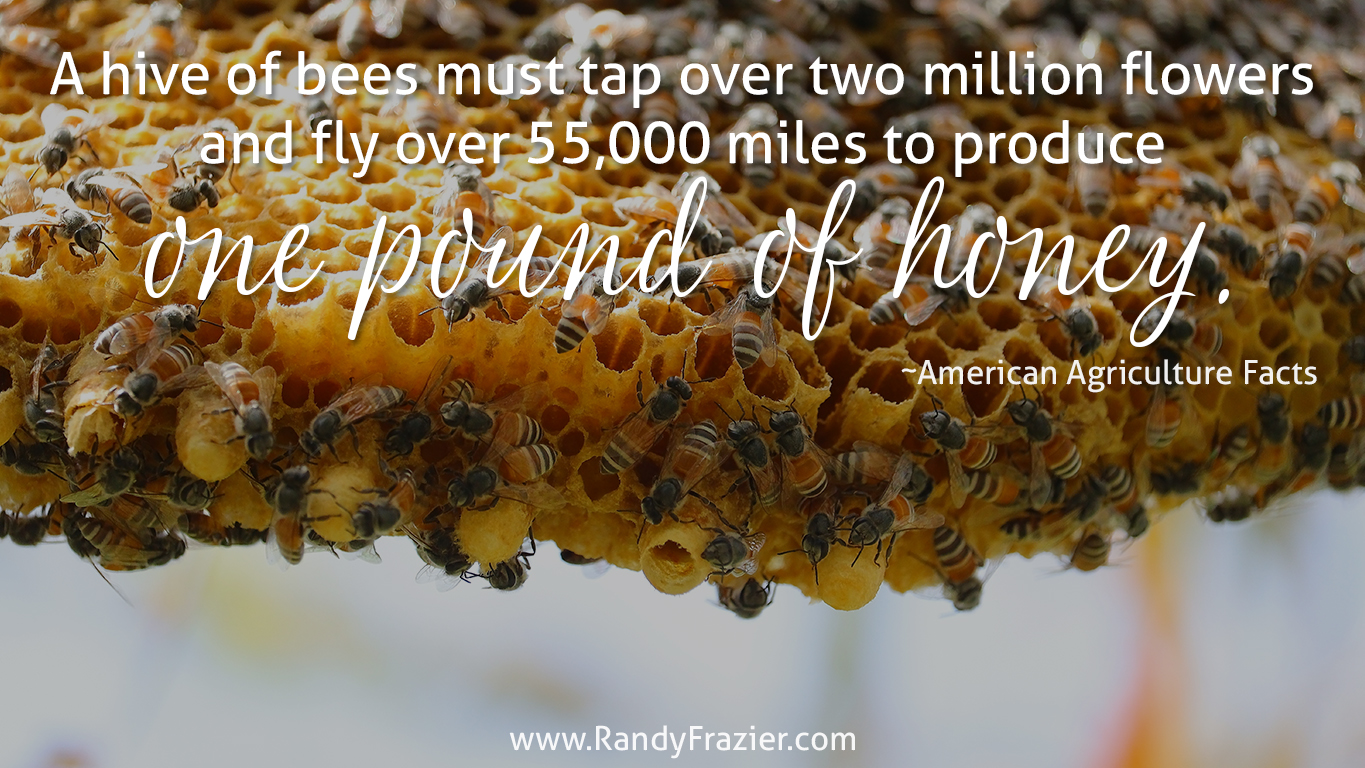
“A hive of bees must tap over two million flowers and fly over 55,000 miles to produce one pound of honey.” ~ American Agriculture Facts
Ag Facts about Coffee

“Coffee is the second-most commodity traded in the world. The first is crude oil.” ~ American Agriculture Facts
Ag Facts about Pumpkins

“Pumpkins come in a variety of colors, including orange, white, blue, red, green, and yellow.” ~American Agriculture Facts
Ag Facts about Sage

“Throughout history, sage has been used for a variety of purposes, including meat preservation. Ancient cultures used sage in medicine to treat sore throats, swollen gums, wounds, ulcers, and snake bites.” ~ American Agriculture Facts
Ag Facts about Yellow Tomatoes

“As far as nutrition goes, yellow tomatoes have higher levels of iron, potassium, phosphorus, zinc, niacin, and folate than their red counterparts — and fewer calories.” ~ American Agriculture Facts
Ag Facts about Basil

“The herb basil comes in a variety of colors and flavors. Popular for its culinary varieties, it has also been used for medicinal purposes.” ~ American Agriculture Facts
Ag Facts about Crabapples

“In the Middle Ages, people used crabapple juice in much the same way as modern-day people use vinegar.” ~ American Agriculture Facts

 Address:
(Home Office)
29 Underwood Road,
Wye Mountain/
Bigelow, AR 72016
Address:
(Home Office)
29 Underwood Road,
Wye Mountain/
Bigelow, AR 72016 Email: